Veterans
Built by a veteran,
for veterans.
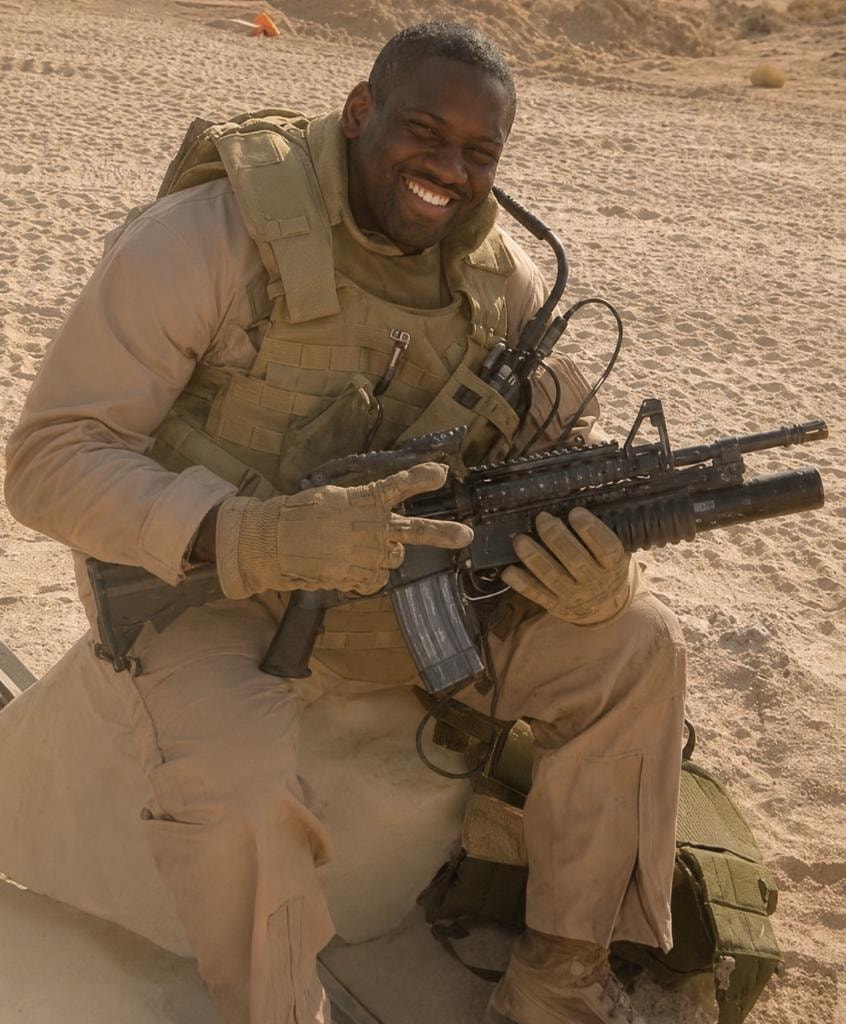
I served 20 years in the United States Marine Corps, including four combat deployments. Service leaves its mark on joints, sleep, weight, hearing and stress. I understand it because I lived it, and I help veterans stay strong for decades after they take off the uniform.
My Service
Twenty years of service,
now focused on your health
I enlisted in the Marine Corps and served a full 20 year career as a fire support specialist and scout observer, coordinating artillery, naval gunfire and air support with ground units. I deployed in combat four times.
From 2005 to 2007 I was a founding member of 5th Air Naval Gunfire Liaison Company, based in Okinawa, Japan — part of the unit’s original roster. I later served at the School of Infantry West at Camp Pendleton, where I instructed Marines and led the Separations Platoon. In fiscal year 2010, my team’s project cut the average time to process a student’s separation in half, from 36 days to 18, and saved the Marine Corps $616,000 that year. It earned the Marine Corps Continuous Process Improvement Award for Project Excellence, one of three winners selected from 54 projects nominated across the entire Marine Corps. I also ran fitness training and predeployment conditioning programs to get Marines physically ready for combat, and I was inducted into the Honorable Order of Saint Barbara, which recognizes outstanding contributions to the artillery and fire support community.
That career taught me how the body breaks down under load, how to rebuild people for performance, and how to lead under pressure. I retired in 2017 and went on to earn a Bachelor of Science in Exercise Physiology and a Master of Science in Kinesiology. Today I am a Doctor of Medical Science candidate in health informatics at Northeastern University. I bring all of it, the service and the science, to every veteran I work with.
What I See
What veterans
bring to me
01
Worn joints and backs
Years of rucks, body armor, jumps and hard training catch up with you. Knees, hips, shoulders and lower backs carry the history of your service, often with old injuries that were never fully rehabilitated. We build strength around those injuries instead of ignoring them.
02
Weight after service
In uniform, training was built into your day. After service, the training stops but the eating habits often stay, and weight creeps up year after year. That weight raises the risk of high blood pressure, diabetes and heart disease, the same conditions that show up on so many veterans’ claims.
03
Poor sleep
Night operations, shift work, deployments and stress can leave sleep broken for years. Many veterans live with sleep apnea or insomnia without knowing how much it is costing their energy, weight and mood. Better sleep is often the first thing that makes everything else work.
04
Transition stress
Leaving the service changes your routine, your purpose and your support system all at once. The structure is gone, and so is the team. Having a plan, a coach and a mission for your health helps fill that gap.
05
Hearing and toxic exposure
Weapons, aircraft and engines take a toll on hearing, and many veterans served near burn pits, Agent Orange or other toxic exposures. We help you understand how these conditions affect training and recovery, and we encourage you to explore your care and benefits under the PACT Act with your VA providers.
How I Help
Coaching that fits
a veteran’s life
- ✦Telehealth from home. Distance to a gym or medical center is not a barrier. You train with me wherever you are.
- ✦Exercise prescriptions built around old injuries. Low impact options and a full assessment, so your plan rebuilds strength without aggravating what service left behind.
- ✦Metabolic health and weight management. Food, activity and measurable targets that bring down weight, blood pressure and blood sugar over time.
- ✦Sleep, stress and transition support. Habits that rebuild sleep, manage stress and give you structure and purpose after service.
- ✦Clinical backup. Our in house licensed clinical team reviews your case when needed, and we keep your VA and community providers in the loop.
- ✦Someone who speaks your language. You do not have to explain military life to me. I have been there.
Advocacy
Patient and Veteran Advocacy
For twenty years I served in the Marine Corps. Today I serve veterans a different way: by making sure the evidence reaches the rooms where decisions about their care are made.
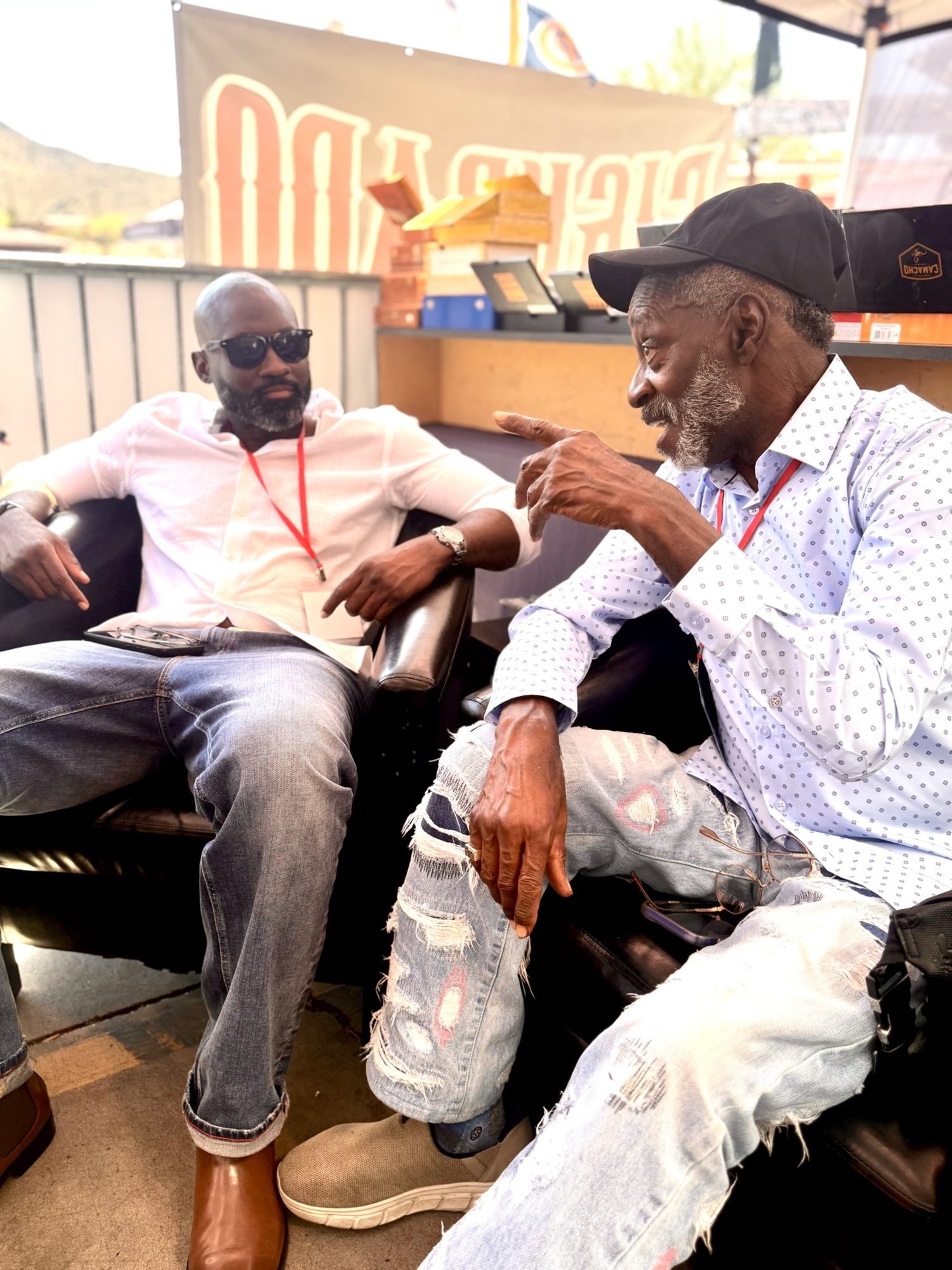
Working alongside Vernell Varnado
Vernell “Poppa Snoop” Varnado is a Vietnam era veteran, an Ambassador for the Veterans 6 Foundation, and my mentor. He has advocated in Washington, D.C. for veterans, including support for the Major Richard Star Act, which would let combat injured veterans who were medically retired before 20 years receive both their retirement pay and their disability compensation without one reducing the other. He opens the doors. I bring the science: research summaries, clinical evidence and patient advocacy support that turn a veteran’s story into a case policymakers can act on.
Patient advocacy, one veteran at a time
Advocacy is not only policy. It is helping a veteran understand a diagnosis, prepare for a claims exam, organize records, and ask the right questions of their care team. At UHP we help veterans navigate their care and keep their VA and community providers in the loop, so no one is left to figure it out alone.
Built on doctoral training
As part of my Doctor of Medical Science studies in health informatics at Northeastern University, I completed graduate coursework in healthcare advocacy, writing veteran centered patient advocacy briefings and health policy memos, including work on sleep apnea care for veterans. My advocacy focus areas are:
- ✦Rural and telehealth access to mental health care for veterans
- ✦Toxic exposure care under the PACT Act and Agent Orange related conditions
- ✦Whole Health and peer supported, non clinical wellness care
- ✦Housing security, because health care cannot hold when a veteran has no stable home